
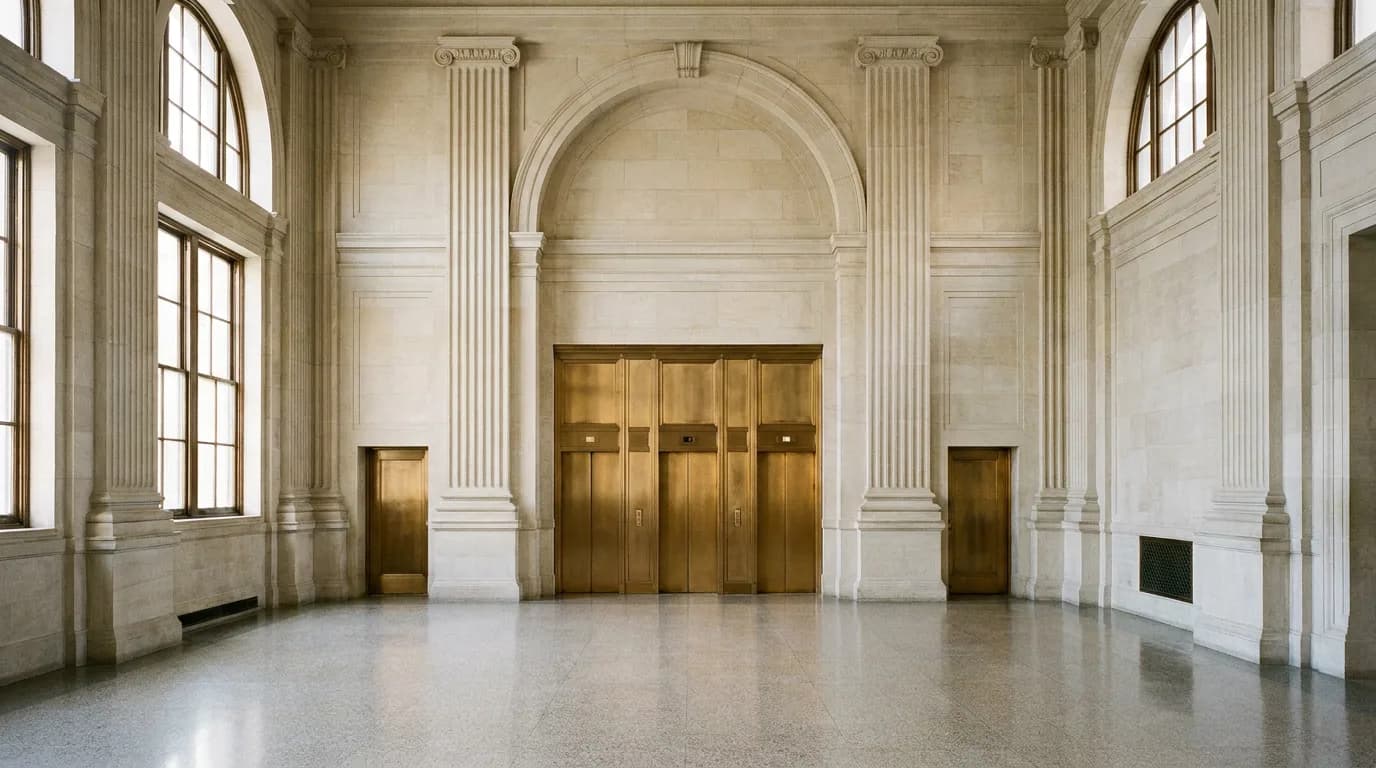
Schedule of works
Eight steps, consultation to closeout
Specifications written to your requirements, bids evaluated against them, and acceptance testing you can hold a contractor to.
- Steps
- 8
- Begins
- Initial Consultation
- Ends
- Project Closeout
- Affiliations
- None
Each step depends on the one before it
Each phase builds on the one before it. Clear specifications provide the basis for evaluating bids, and established testing requirements provide the basis for final acceptance. This structured process ensures accountability from planning through completion.
Initial Consultation
We start by understanding your objectives, constraints, and the condition of the equipment in question.
Site Assessment
On-site review of the installation, its environment, and its operating history.
Technical Evaluation
Analysis of condition, performance, code compliance, and remaining useful life.
Recommendations
Objective findings and options, with the trade-offs of each stated plainly.
Design & Specifications
Detailed project specifications written to your requirements, not a manufacturer’s catalog.
Bidding Assistance
Contractor selection support, bid review, and evaluation of proposals.
Construction Administration
Oversight through installation, coordinating design, construction, and testing.
Project Closeout
Final acceptance testing, documentation, and handover.
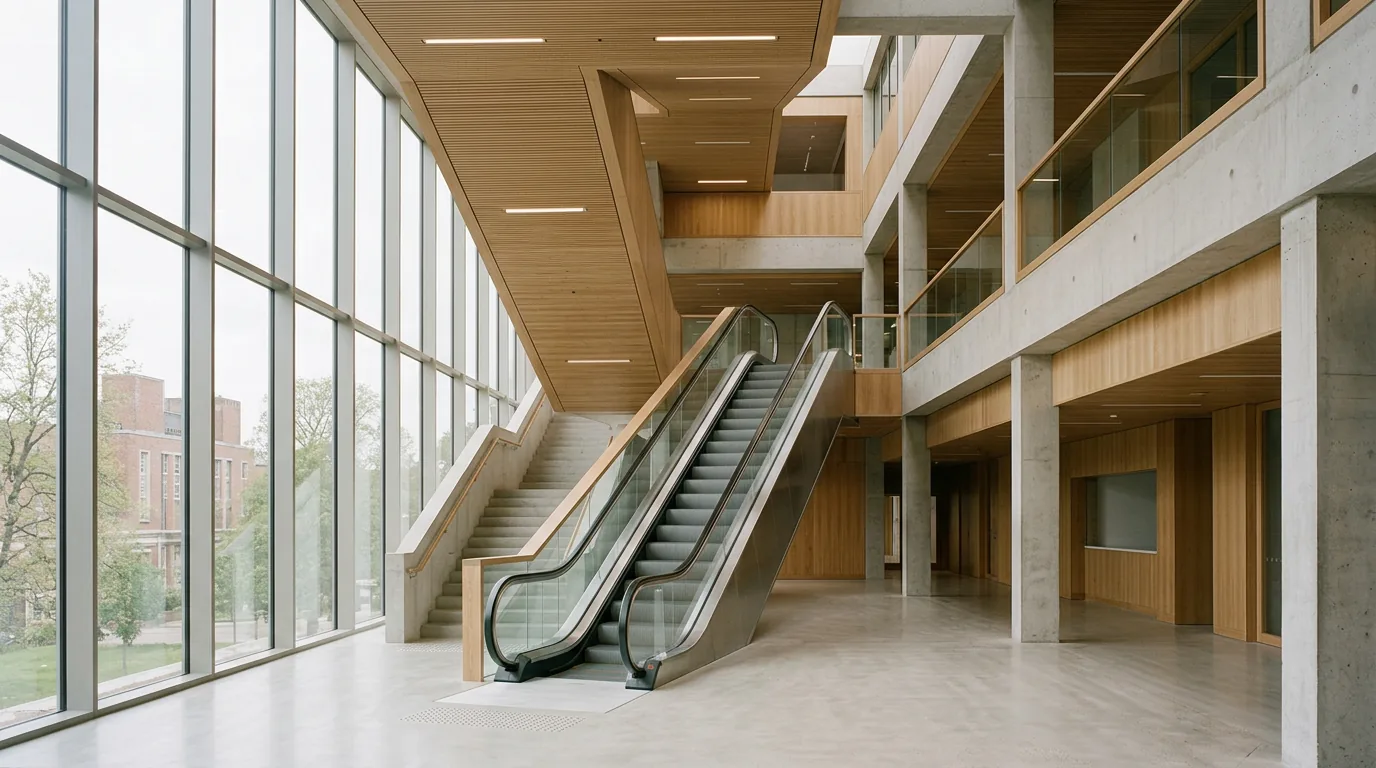
Step 3, technical evaluation
Assessed before anything is specified
Established on the equipment itself, in the machine room and the hoistway — before a specification is written or a contractor is asked to price the work.
- The maintenance contract’s stated scope, read against the work actually performed
- The callback log, for repeat faults the contractor has been resetting rather than fixing
- Rope and brake condition, inspected on the equipment itself
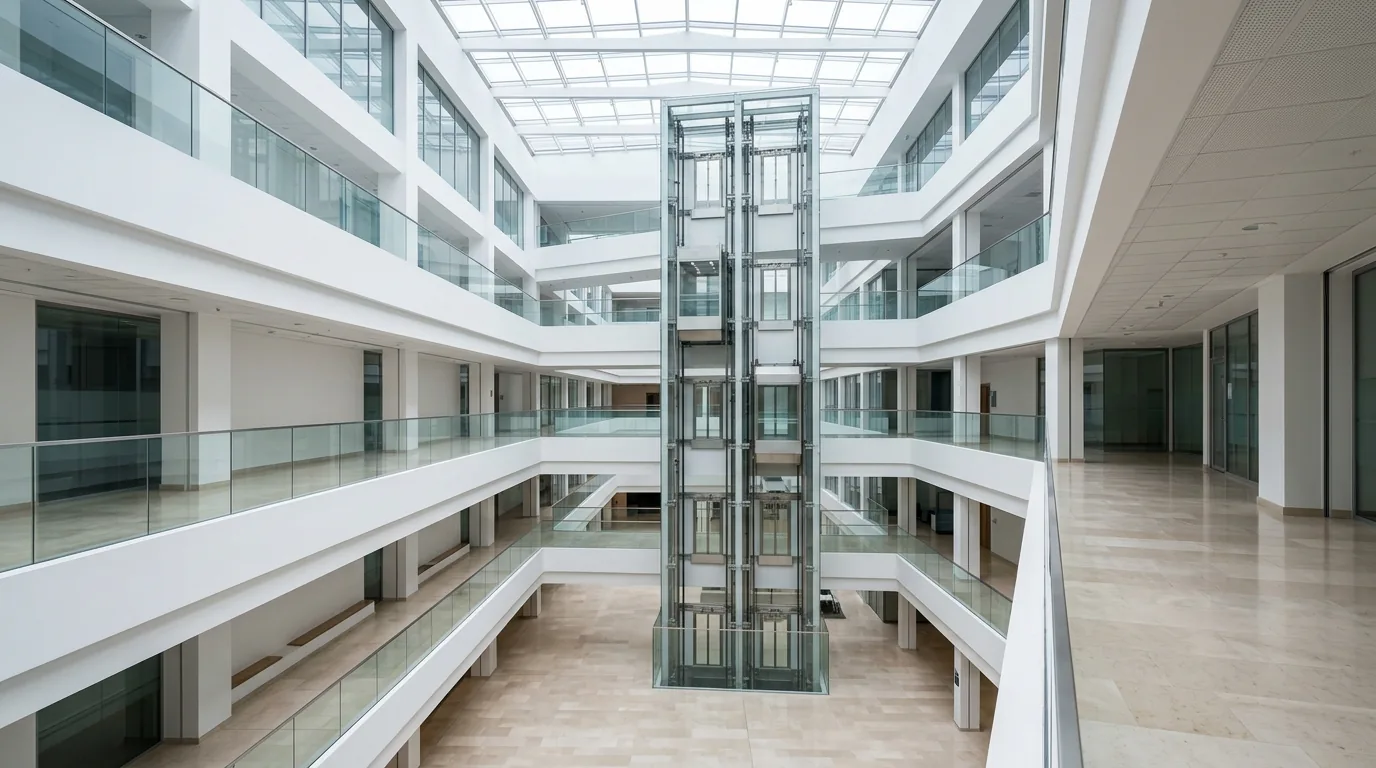
Why it is run this way
A specification written to your building, not to a catalog
We sell no equipment and bid none of the work we specify. The specification is written before any contractor sees it, so the firm that writes it cannot win the job.
What the sequence produces
- Deficiencies a contractor has not been fixing, named before they become service interruptions
- Remaining useful life established before anyone prices the work, not argued after a bid arrives
- Modernization timed to obsolete parts and traffic demand, not to a supplier’s replacement cycle
- Bids compared line by line, because they answer one specification written before any of them arrived
Step one is a conversation
How much of the sequence above your building needs is not decided in advance.
Request a consultationUseful to have ready
- Building type and how it operates — traffic patterns, shutdown windows
- Equipment: how many units, what type, roughly what age
- Manufacturer and current maintenance contractor, if you know them
- What prompted the call — a failure, a survey, a budget cycle, a sale
- Your timeline and whether capital is already allocated