
Sectors served
Fourteen sectors, each with different demands
A hospital cannot take a bank of elevators out of service the way an office tower can. An airport moving walk runs nearly continuously.
The sector is where the question starts, not where it is answered. Two hospitals on the same street can differ in every constraint that matters — bank layout, machine room access, and what the building can be without while the work runs.
Eight sectors, and what changes in each
Every sector places different demands on vertical transportation. We account for how the building actually operates — its traffic patterns, its shutdown windows, its code obligations — before recommending anything.
- HospitalsA bank cannot come out of service the way an office tower’s can — bed moves, theatre lists and imaging traffic set the window.
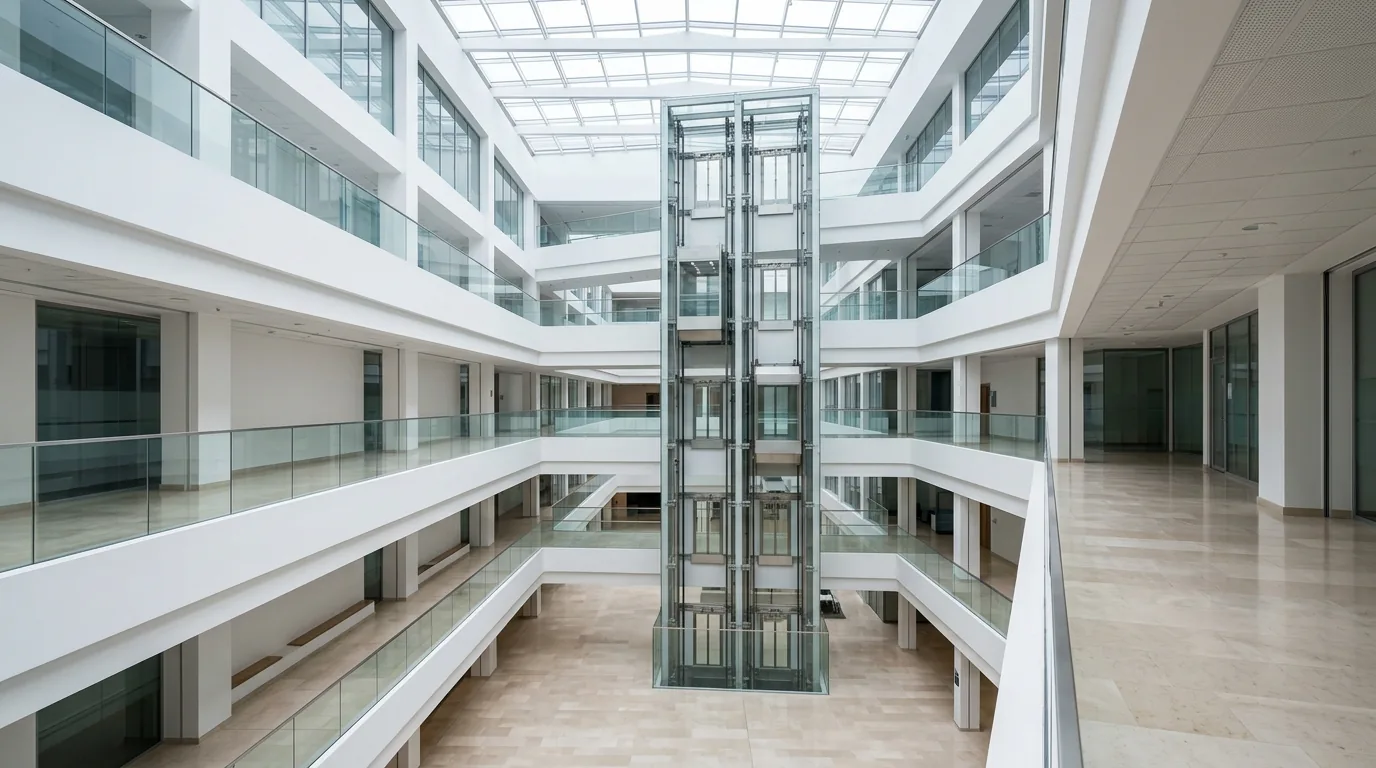
 Commercial Office BuildingsLobby waiting time in the morning peak is what a tenant complains about, and what car count is sized to.
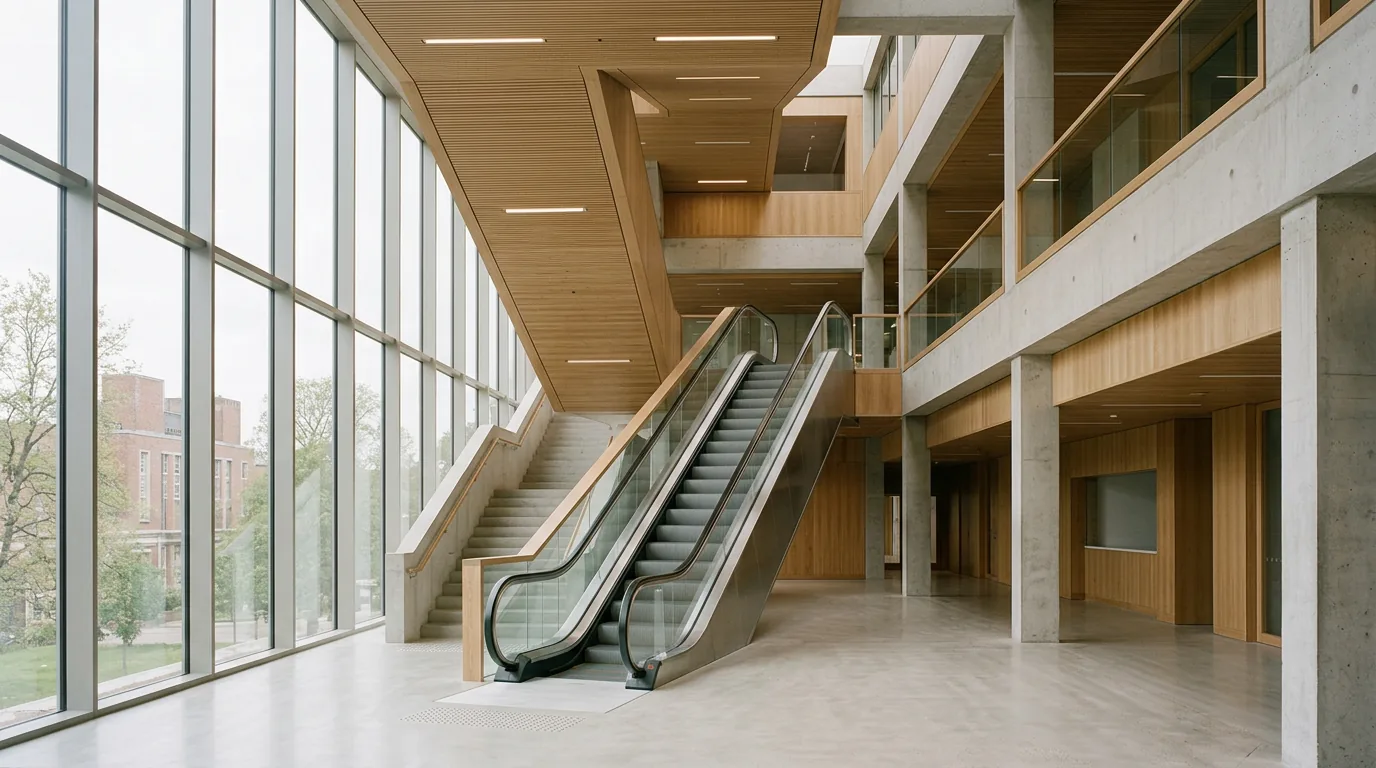 UniversitiesDemand arrives in ten-minute peaks between classes and then stops, so an escalator sized to the daily average is undersized twice an hour.
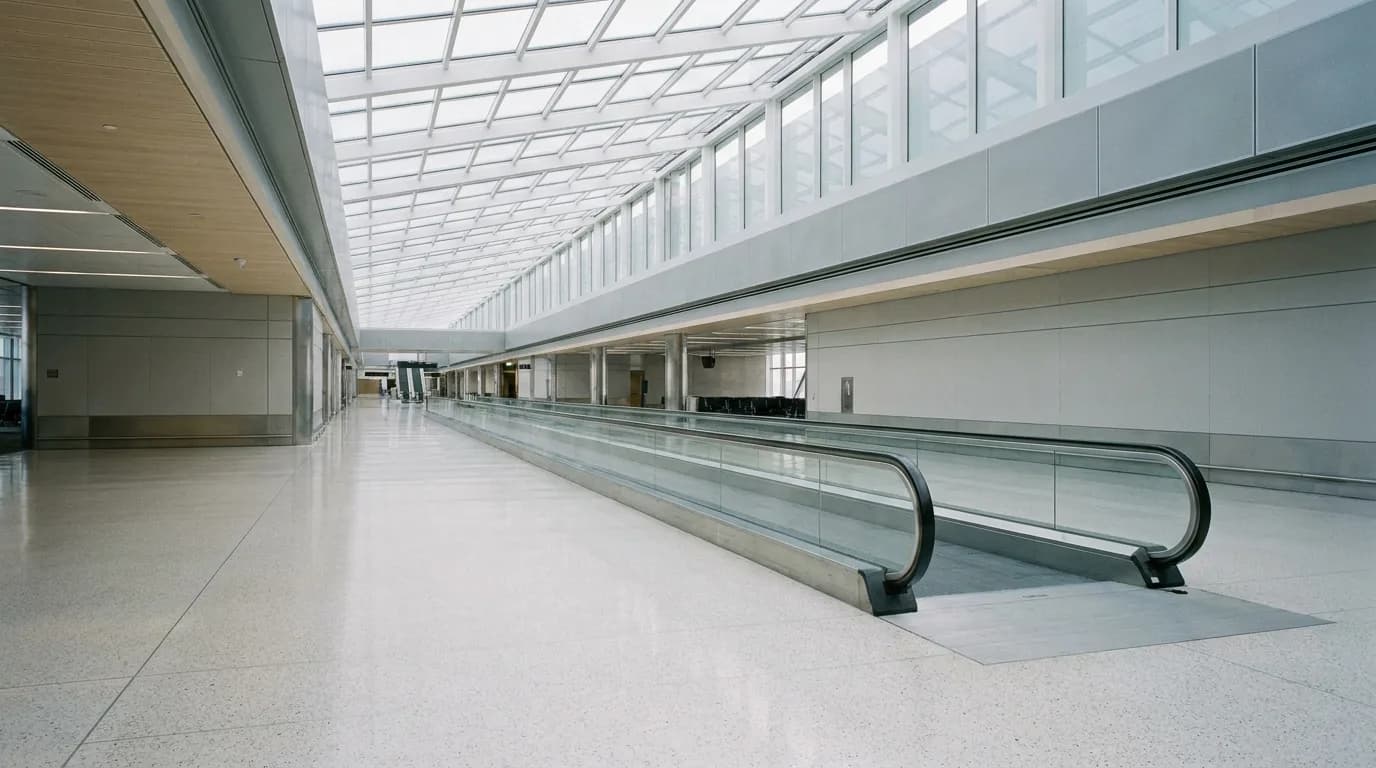 AirportsA moving walk runs nearly continuously, so wear is counted in running hours rather than trips and the maintenance interval follows.
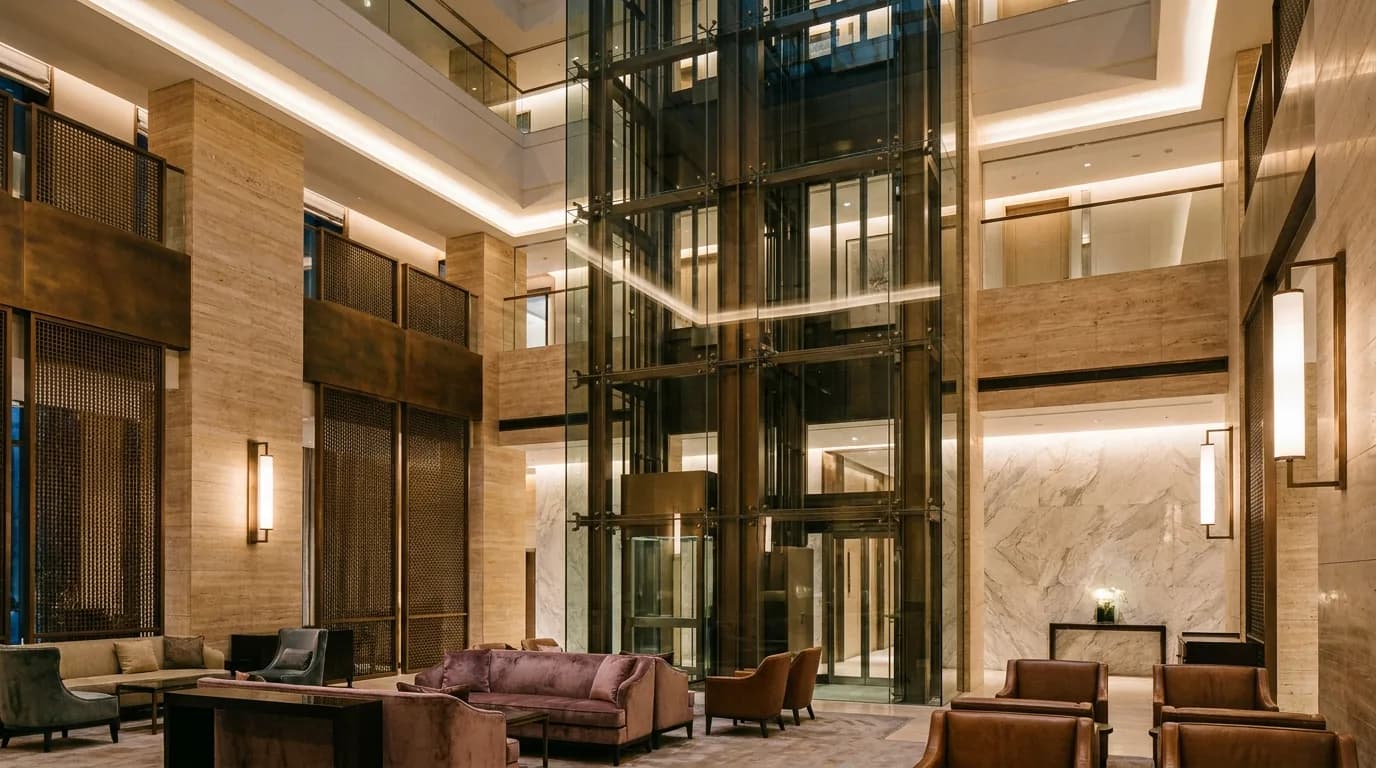 HotelsGuest, luggage and service traffic share the same shafts, and the work has to be sequenced around occupancy rather than around a closure.
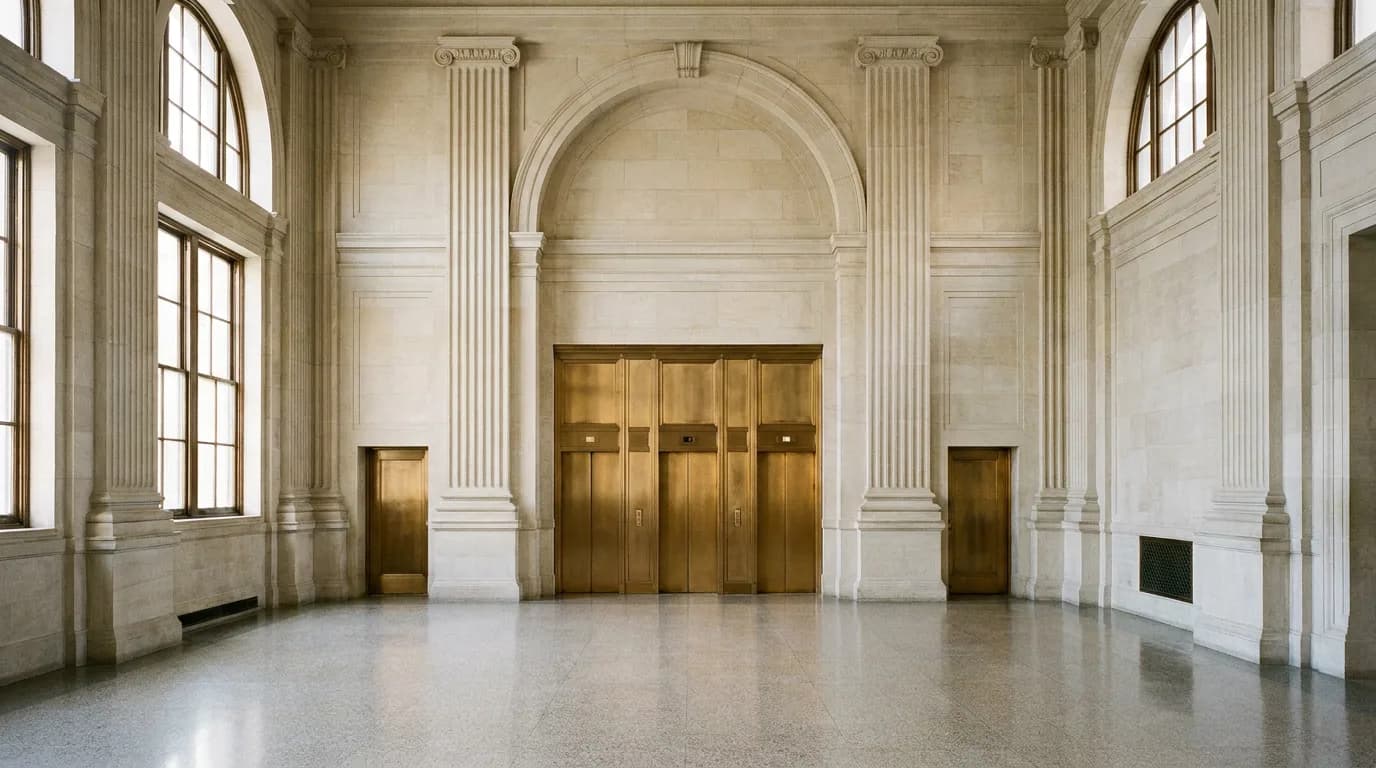 Government BuildingsProcurement is competitive and on the record, so the specification has to be biddable by more than one manufacturer.
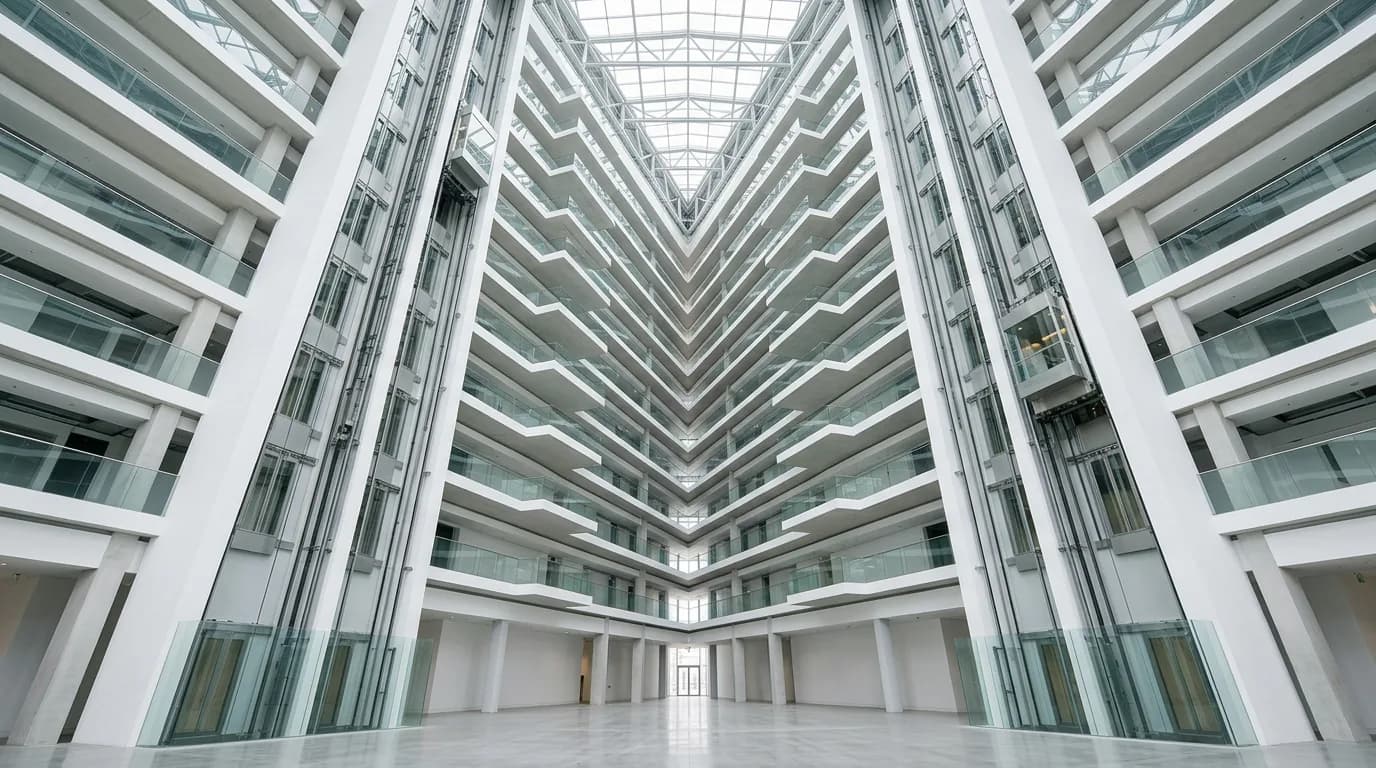
 Residential High-Rise BuildingsOne or two cars serve the whole stack, so one unit out of service is the building’s entire vertical transportation.
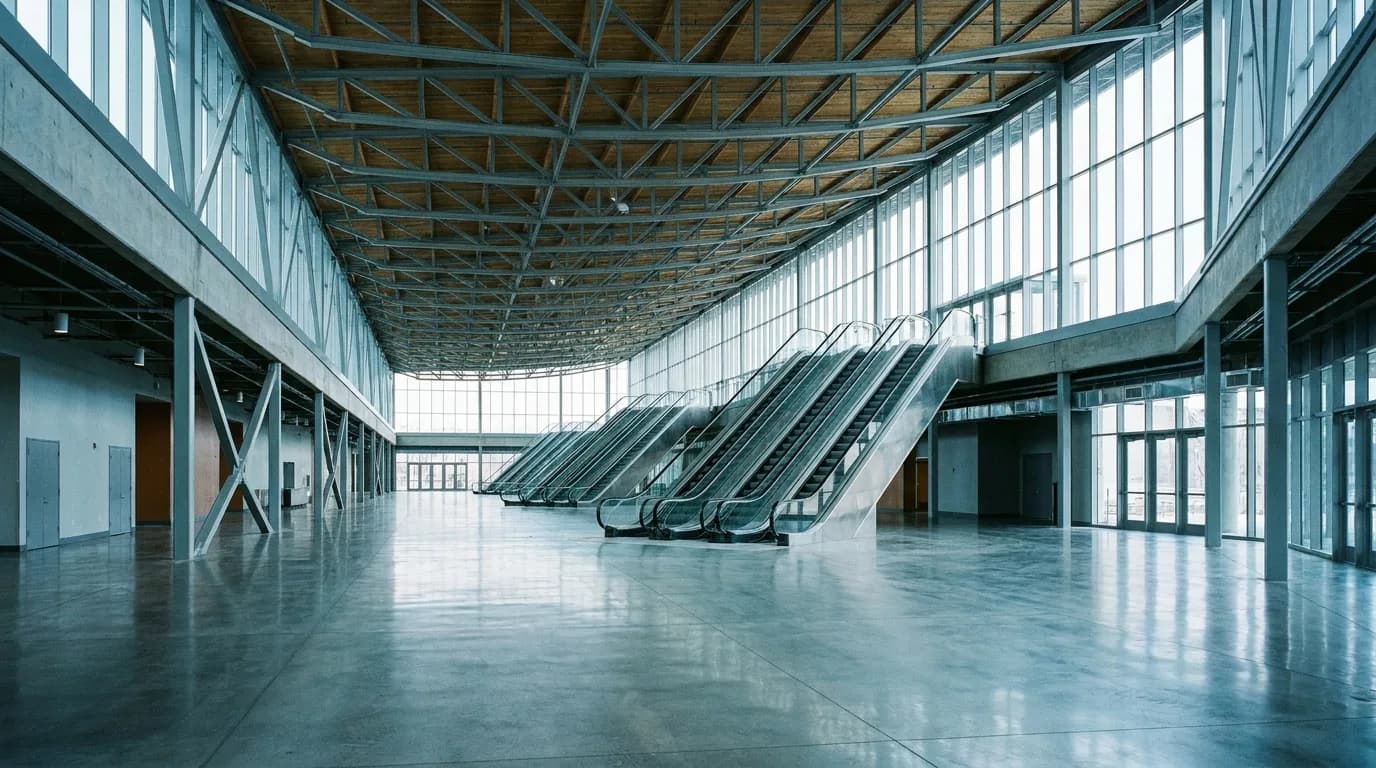
- Convention CentersEscalators stand idle between events and then carry a full hall in twenty minutes, which is a duty cycle no catalogue table describes.
The other six sectors
Same fourteen sectors, assessed the same way. These are the six without a photograph on this page.
- Healthcare Facilities
- Schools
- Mixed-Use Developments
- Industrial Facilities
- Retail Centers
- Sports & Entertainment Venues
Ten kinds of client
Retained through planning, modernization, bidding, and final acceptance.
- Building owners
- Architects
- Engineers
- Developers
- Facility managers
- Healthcare organizations
- Educational institutions
- Government agencies
- Hospitality groups
- Commercial property owners
Where we stand
We ask about traffic, shutdowns, and code before recommending anything
Tell us which sector the building is in, what equipment is involved, and what you need help evaluating.
Request a consultation- 15
- Services
- 14
- Sectors
- 8
- Steps
- 0
- Affiliations
Useful to have ready
- Building type and how it operates
- Equipment: how many units, what type, roughly what age
- Manufacturer and current maintenance contractor, if you know them
- What prompted the call — a failure, a survey, a budget cycle, a sale
- Your timeline and whether capital is already allocated